


If you’ve toured new construction lately, you’ve probably heard some version of: “We’ll buy down your rate!” or “We’re covering closing costs!” or “Pick $15,000 in upgrades!”
Those offers can be genuinely valuable—but only if you understand what you’re getting, what it’s tied to, and what it costs you elsewhere (price, lot premium, lender choice, timeline, etc.). Here’s a simple, buyer-friendly breakdown of the three most common new-build incentives and how to compare them like a pro—especially in the San Antonio–New Braunfels corridor and surrounding communities like Garden Ridge and Cibolo.
Why builders offer incentives (and why they’re back)
Most incentives are designed to do one of two things:
- Move inventory faster (especially completed or near-completion homes), and/or
- Solve payment shock when rates are higher than buyers expected.
That’s why you’ll commonly see packages like closing-cost contributions, temporary rate buydowns, and design/upgrade credits being advertised heavily in today’s market.
1) 2-1 Buydowns: the “easier first two years” payment strategy
What a 2-1 buydown is
A 2-1 buydown is a temporary interest-rate reduction:
- Year 1: your rate is reduced by 2%
- Year 2: your rate is reduced by 1%
- Year 3+: your rate returns to the note rate (the real locked rate)
Behind the scenes, money is set aside (typically funded by the builder/seller or lender as part of your deal) and applied monthly to lower your payment during the buydown period.
Why buyers like it
- Lower payment while you’re furnishing, recovering savings, or waiting for income to rise
- A softer landing if you expect to refinance later (not guaranteed—just a plan)
The key “gotcha”
A buydown is not the same as a permanently lower rate. By year 3 you’re paying the full note-rate payment—so you must be comfortable with that payment from day one.
Important guideline notes (why lender details matter)
Programs have rules around temporary buydowns. For example, Freddie Mac notes limits such as the initial rate not being more than 3% below the note rate and restrictions for certain loan purposes/occupancy types.
Similarly, Fannie Mae publishes requirements for temporary interest rate buydowns in its selling guide. (Fannie Mae Selling Guide)
Translation: the buydown must be structured correctly, documented correctly, and matched to the right loan type.
When a 2-1 buydown is usually a good fit
- You need payment relief now, but expect a higher income later
- You’re buying down payment + reserves and want breathing room
- You’re confident the year-3 payment is still comfortable
When it’s usually not the best fit
- You’re stretching to qualify and must refinance for the payment to work
- You’re choosing a buydown over a price reduction that would help forever
2) Closing cost credits: the “cash-to-close” reducer (and sometimes the best deal)
What it is
A builder (or seller) credit that helps pay eligible closing costs—think:
- lender fees, title fees, escrow items, prepaid taxes/insurance, etc.
Why it matters
If you’re tight on cash-to-close, a closing cost credit can:
- keep you from draining savings
- preserve emergency reserves (a huge win for homeowners)
- sometimes be applied strategically toward a rate buydown, depending on lender and program
The most common tradeoffs
Closing cost credits are often tied to:
- using the builder’s preferred lender
- closing by a specific date
- choosing a specific inventory home
That doesn’t make it bad—it just means you should compare the full package (rate, fees, and credit), not the headline number.
3) Design credits: the “upgrade your home” incentive (that can be priceless—or pointless)
What it is
A credit used at the builder’s design studio or selections process, often for:
- appliances, cabinets, counters, fixtures, flooring, etc.
Why it can be valuable
Design choices affect:
- how much you enjoy the home
- resale appeal (depending on selections)
- how soon you’ll feel the need to remodel
The big caution
Design credits can be the easiest incentive to overvalue because:
- they often apply to options with high markup
- they may push you into upgrades that don’t appraise dollar-for-dollar
- you can still end up paying more overall if the base price and lot premium are inflated
Rule of thumb: prioritize upgrades that are hard/expensive to do later (structural options, wiring, extended patios, built-in plumbing rough-ins), and be cautious with purely cosmetic splurges.
The simplest way to compare incentives: “Net Benefit to Your Scenario”
When you’re choosing between a 2-1 buydown, closing costs, and design credits, ask these three questions:
A) What problem am I solving?
- Monthly payment stress? → consider 2-1 buydown or permanent rate options
- Cash-to-close stress? → closing cost credit is often #1
- Want upgrades without draining savings? → design credit (but choose wisely)
B) What am I giving up to get it?
- higher sales price?
- bigger lot premium?
- higher lender fees or a higher note rate?
- fewer upgrade choices?
- tighter closing timeline?
C) Does it help me long-term or just at move-in?
- A price reduction helps forever.
- A temporary buydown helps short-term.
- A closing cost credit helps at closing.
- A design credit helps enjoyment and maybe resale—but not always valuation.
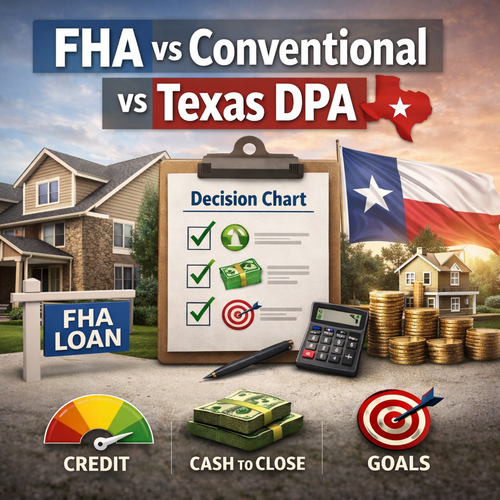
Quick decision chart
Choose a 2-1 buydown if…
- You need relief for the first 24 months and can handle the year-3 payment.
- Your plan does not depend on refinancing.
Choose closing cost credits if…
- Cash-to-close is your biggest hurdle.
- You want to keep reserves for repairs, furniture, and life.
Choose design credits if…
- You’ll stay long enough to enjoy the upgrades.
- You’re selecting high-impact, hard-to-change items (and not overpaying elsewhere).
What Correa Realty Group does differently with new builds
New construction is “simple” until it isn’t—because the real value is in the fine print: lender terms, deadlines, upgrade lists, lot premiums, HOA details, taxes, and appraisal realities.
Correa Realty Group helps you compare incentive packages apples-to-apples, negotiate for the incentives that match your goals, and coordinate with builders and lenders so you don’t get surprised at contract or closing. If you’re considering a new build anywhere between San Antonio and New Braunfels (and the surrounding Hill Country communities), we’ll help you structure the deal so the incentive is a true win—not just a flashy headline.
FAQs
Are 2-1 buydowns “real,” and are they allowed?
Yes—temporary buydowns are an established mortgage feature, and major agencies publish guidelines for them.
What happens to buydown money if I refinance or sell early?
Temporary buydowns involve funds held and applied during the buydown period; treatment of remaining funds depends on the buydown agreement and investor/servicer rules—your lender should show this clearly in writing before you sign.
Is it better to take a price cut instead of incentives?
Often, a price reduction is the most “permanent” benefit (it lowers payment and future interest over the life of the loan). But the best answer depends on whether your constraint is payment, cash-to-close, or upgrade budget.
Can closing cost credits be used to buy down the rate?
Sometimes, depending on the lender/program and how the incentive is structured. Always compare the full loan estimate—rate, fees, and credit—not just the headline offer.
Do design credits increase the home’s appraised value?
Not always. Some upgrades help marketability more than appraisal. Focus on upgrades that are expensive to add later and broadly appealing.
Check out this article next