



If your home is on the market in San Antonio, New Braunfels, Garden Ridge, Schertz, Cibolo, or the Hill Country and you’re wondering why showings have slowed down, offers aren’t coming in, or buyers seem interested but never move forward, you’re not alone.
A lot of homeowners are asking the same question in 2026:
“Why isn’t my home selling?”
The answer usually comes down to three things:
price, presentation, or competition.
In today’s market, buyers are more careful, more payment-conscious, and more selective than they were during the height of the seller’s market. Inventory has increased across the region, homes are taking longer to sell, and buyers often have enough choices that they can afford to wait for the home that feels like the best overall value. In the San Antonio-New Braunfels area, median days on market reached 85 days in January 2026, which reinforces that homes are generally taking longer to move than sellers may expect.
So if your home isn’t selling, that does not automatically mean there’s something wrong with the house itself.
It usually means the market is giving you feedback.
1. Price: The Market May Be Telling You More Than Your Favorite Comparable
Pricing is still the number one reason homes sit.
Many sellers understandably look at what a neighbor sold for six months ago, what the county appraisal says, or what they hope to net after expenses. But buyers are looking at something different:
what else they can buy right now for the same monthly payment.
That matters even more in 2026 with mortgage rates around 6%. Even if rates are lower than a year ago, affordability is still shaping buyer behavior, which means buyers are comparing homes carefully and looking hard at value.
A home can be priced “reasonable” in the seller’s mind and still miss the market if:
- it is priced based on older comps from a stronger market
- it has not been adjusted for condition or updates
- nearby homes offer more upgrades or better presentation
- buyers feel they would still need to spend money after closing
In this market, buyers are less likely to stretch for a home that feels overpriced. Instead, they often move on to the next option.
That means if your home has had showings but no offers, the price may be close but not compelling.
If your home has had very few showings, price is often one of the first things to review.
A smart pricing strategy in 2026 is not just about being “in the range.”
It is about being positioned as one of the best values in your competitive set.
2. Presentation: Buyers Are Judging Your Home Before They Ever Walk In
The second big reason homes do not sell is presentation.
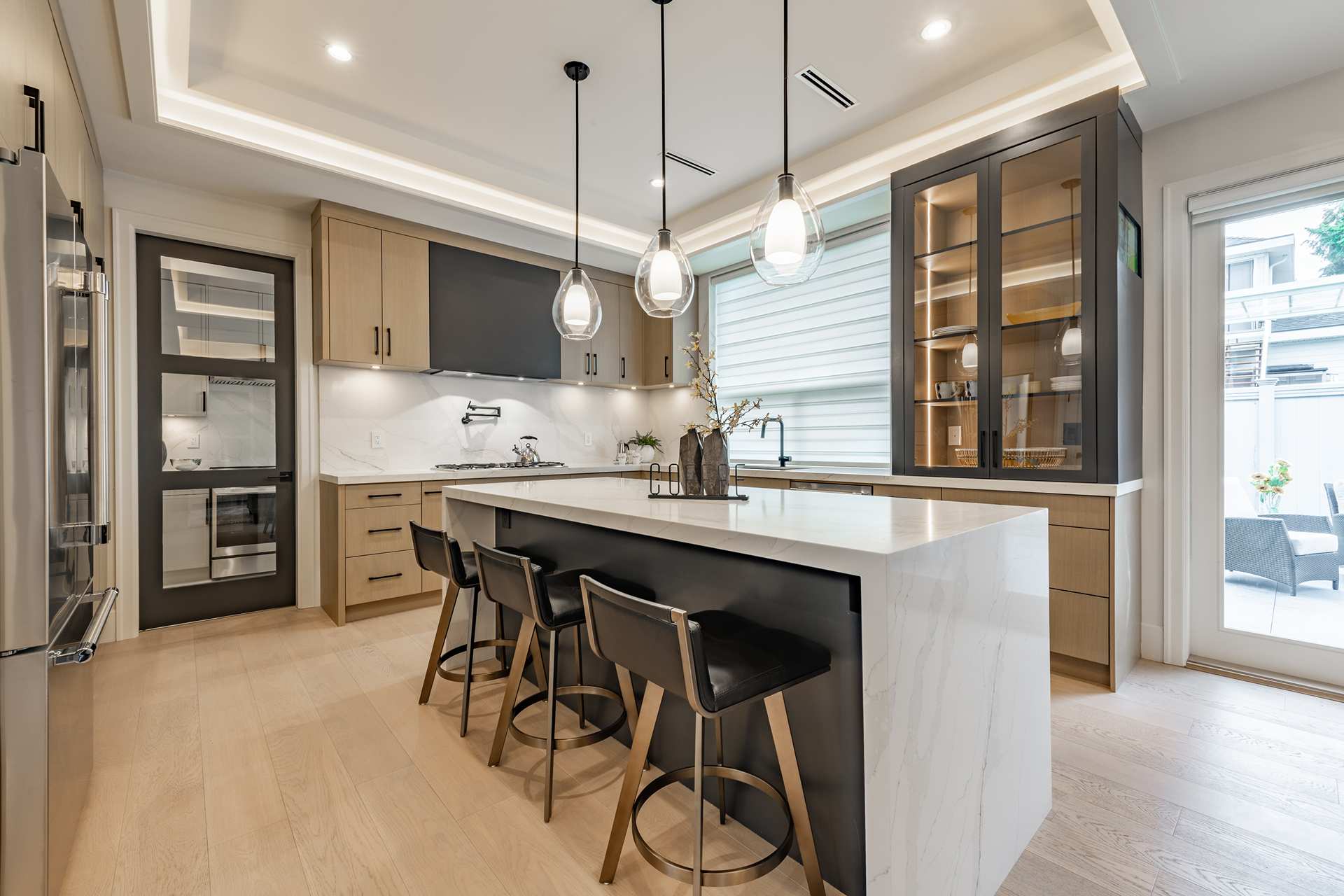
Most buyers see your home online first. Before they notice your square footage, your lot size, or even your location advantages, they notice the first photos.
If the photography is dark, the home looks cluttered, the landscaping feels tired, or the interior looks like it needs work, buyers may decide not to schedule a showing at all.
In a market with more inventory, presentation matters even more because buyers are scrolling through more options. Realtor.com’s January 2026 San Antonio trend coverage noted inventory growth and increased homeowner activity, which means your home is likely competing against a larger selection than it would have a year or two ago.
Common presentation issues that can slow a sale include:
- worn carpet
- outdated paint colors
- deferred maintenance
- poor curb appeal
- overcrowded rooms
- low-quality listing photos
- weak marketing remarks
- no clear lifestyle story in the listing
Presentation does not always mean doing a full remodel.
Sometimes the biggest wins come from:
fresh paint,
deep cleaning,
decluttering,
light landscaping,
minor repairs,
updated light fixtures,
or better staging and photography.
The goal is to help a buyer feel that the home is cared for, move-in ready, and worth seeing in person.
Because the truth is this:
buyers do not compare your home to perfection. They compare it to the next listing they can click on in 10 seconds.
3. Competition: You’re Not Being Judged in a Vacuum
The third reason a home may not be selling is competition.
Even if your house is good, it still has to beat the alternatives available in your area.
That is where many sellers get stuck.
They focus on their home’s features, but buyers are comparing:
- your price versus active listings nearby
- your updates versus recent pendings
- your lot and location versus new construction
- your condition versus homes with seller concessions
- your monthly payment versus lower-priced options
In parts of San Antonio and the surrounding region, active inventory has climbed noticeably year over year. Zillow’s January 2026 New Braunfels market page also showed a high share of sales under list price, along with elevated days to pending, which lines up with a market where buyers are negotiating and taking longer to commit.
That means a home can be well-priced compared to a closed comp from months ago and still lose to current competition because buyers have more leverage now.
This is especially important if your home is competing with:
- new construction offering incentives
- updated resale homes
- homes with recent price improvements
- properties with stronger online presentation
- sellers willing to help with closing costs or rate buydowns
In 2026, it is not enough to simply “list and wait.”
You have to position.
4. What Buyers Are Thinking Right Now
Today’s buyers are asking practical questions:
- Is this home worth the payment?
- Will I have to spend money right after closing?
- Is there a better option nearby?
- Can I negotiate on price or concessions?
- Should I wait and see what else comes up?
That mindset is very different from the urgency-driven buyer behavior sellers got used to in previous years.
With more choices and longer market times, buyers have room to slow down. Reuters reported existing-home sales rose in February 2026 as rates eased, but overall buyers are still very payment-sensitive, and price growth has slowed. That creates a market where homes that are priced right and show well can still sell, but homes that miss the mark are more likely to linger.
5. Signs Your Issue Is Price, Presentation, or Competition
Here is a simple way to read the market feedback.
It may be price if:
- your listing has traffic online but limited showings
- buyers are touring but not writing offers
- similar homes nearby are selling while yours sits
- you keep hearing “we liked it, but…”
It may be presentation if:
- your photos are not getting attention
- the home feels busy, dark, or dated in person
- feedback mentions cleanliness, smell, wear, or updates
- buyers like the location but not the condition
It may be competition if:
- strong nearby listings just came on the market
- builders are offering incentives
- more updated homes are priced similarly
- buyers have many alternatives in your exact area
In many cases, it is not just one issue.
It is a combination.
A home that is slightly overpriced and slightly under-presented becomes much more vulnerable when competition rises.
6. What Sellers Should Do Next
If your home is not selling, the best next move is not frustration.
It is strategy.
That means stepping back and reviewing:
- current active competition
- pending sales that may show buyer preference
- showing activity and online engagement
- price position inside the competitive range
- condition and presentation issues
- whether incentives or a pricing adjustment would help
Sometimes a small shift creates a big difference.
That could mean:
improving photos,
reworking the marketing,
making a few visible updates,
or repositioning the price to generate fresh attention.
The key is to respond to the market before the listing becomes stale.
Because once a home sits too long, buyers often assume something is wrong, even when the real issue is just positioning.
Bottom Line
If your San Antonio or New Braunfels home is not selling in 2026, the answer is usually not a mystery.
It is most often one of these:
price, presentation, or competition.
The good news is that those are all things that can be evaluated and improved.
A slower market does not mean homes are not selling.
It means the homes that sell fastest are the ones that are priced correctly, marketed well, and positioned better than the alternatives.
How Correa Realty Group Can Help
At Correa Realty Group, we help sellers look at the real reasons a home may not be moving in today’s market. We study current competition, buyer behavior, pricing strategy, condition, and presentation so you can make informed decisions instead of guessing. If your home is on the market or you’re thinking about listing, we’d be honored to help you position it for the strongest possible result.
FAQs
Why is my home getting showings but no offers?
That often points to a pricing or condition issue. Buyers may like the location and layout, but something is causing them to feel the home is not the best value compared to other options.
Should I lower the price if my home isn’t selling?
Not always immediately, but price should absolutely be reviewed against current competition, pending activity, and buyer feedback. Sometimes presentation or strategy can be improved first. Sometimes a price adjustment is the smartest move.
Does the county appraisal determine what my home should sell for?
No. County appraisals are for property tax purposes. Market value is influenced by what buyers are willing to pay based on recent comparable sales, condition, competition, and financing conditions.
Are buyers asking for concessions in 2026?
In many cases, yes. Depending on location, price point, and competition, buyers may ask for closing costs, repairs, or rate buydown help. A concession does not always mean weakness. It can be a strategic tool.
Is spring still a good time to sell in San Antonio and New Braunfels?
Yes, but timing alone does not guarantee results. In a market with more inventory, pricing and presentation still matter greatly, even during the busier season.
Check out this article next