

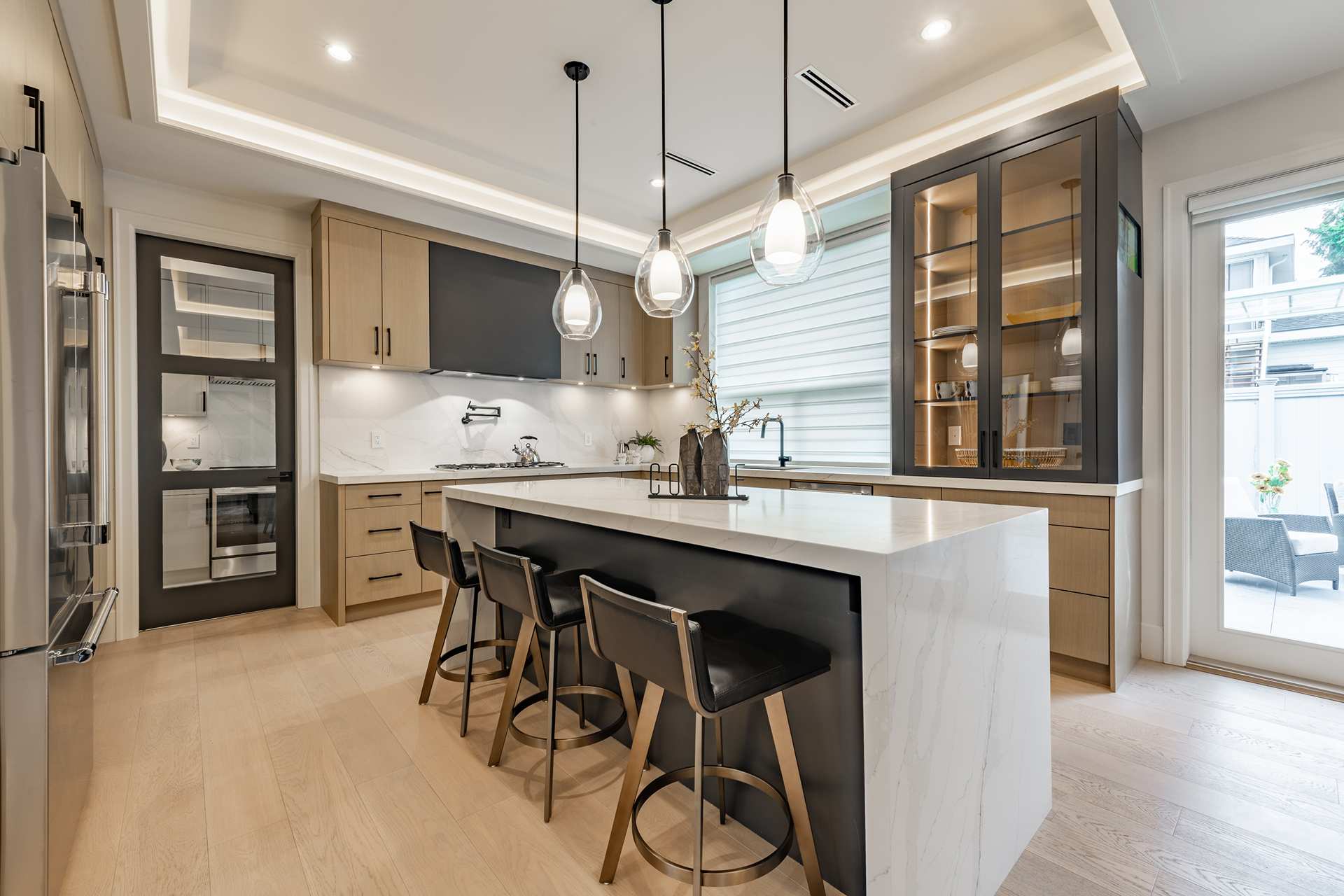


The San Antonio housing market is giving buyers more choices and negotiating leverage heading into Fall 2026. For sellers in Northeast San Antonio, Garden Ridge, Schertz, Cibolo, and nearby communities, success now depends less on simply listing a home and more on getting the price, condition, presentation, and negotiation strategy right from the beginning.
Selling This Fall? The Old Playbook May Cost You
A few years ago, a seller could put a home on the market, make relatively few improvements, and sometimes have buyers competing for the opportunity to purchase it.
That is not the market Northeast San Antonio sellers are navigating in Fall 2026.
Buyers have more choices. Mortgage rates remain a major part of their monthly-payment calculations. They are comparing resale homes not only with other resale properties, but in many areas with new construction offering builder incentives.
And when a home feels overpriced—or looks like it will require significant work after closing—many buyers can simply move on to the next option.
That does not mean you cannot sell a home successfully this fall.
It means the strategy has changed.
For homeowners in Northeast San Antonio and surrounding communities such as Garden Ridge, Schertz and Cibolo, four things matter especially right now:
pricing accurately from the beginning;
preparing the property for comparison-shopping buyers;
making the listing stand out online and in person; and
evaluating the complete financial picture of an offer instead of focusing only on the purchase price.
Understanding why these things matter starts with understanding the market buyers are seeing.
Is San Antonio Really a Buyer's Market in 2026?
Broadly speaking, buyers have substantially more leverage in the San Antonio-New Braunfels market than they did during the highly competitive pandemic-era market.
The Texas Real Estate Research Center reported that the San Antonio metro had reached 6.2 months of housing inventory in July 2026. Active inventory was also 4.4% higher than a year earlier.
Other current market indicators tell a similar story.
Realtor.com reported 14,325 active listings in the San Antonio-New Braunfels market in August 2026, 3.8% more than a year earlier. Its median list price was approximately $324,000, down 1.8% year over year.
Redfin reported a San Antonio median sale price of approximately $264,825 for August, down 1.9% year over year. Homes sold for approximately 97% of their final list price on average, and 44.4% of listings had experienced a price drop.
Those numbers do not mean every house, neighborhood or price range is experiencing exactly the same conditions.
They do tell us something important:
Buyers generally have enough alternatives that sellers can no longer assume they will overlook an ambitious price, deferred maintenance or weak presentation.
What Does the Buyer's Market Mean for Northeast San Antonio Sellers?
The biggest change is competition.
Your competition is not simply the house for sale down the street.
A buyer considering Northeast San Antonio may also compare properties in Schertz, Cibolo, Live Oak, Universal City, Converse or Selma depending on the buyer's budget, commute and housing needs.
Some buyers may compare resale homes with new construction as well.
That means buyers can ask a much broader question:
"For my monthly payment, which property gives me the best overall value?"
Sellers should be prepared to answer that question through the home's pricing, condition and presentation.
Buyers Are Paying Attention to the Monthly Payment
The Federal Home Loan Mortgage Corporation's Primary Mortgage Market Survey showed the average 30-year fixed mortgage rate at 7.03% on September 24, 2026.
A buyer does not experience your asking price as just a number on a listing.
They experience the combined cost of principal, interest, property taxes, homeowners insurance, possible HOA dues and other ownership expenses.
That makes seemingly small differences in price—and potential seller concessions—more meaningful.
Change #1: Price for Today's Market, Not Yesterday's Market
This may be the most important adjustment a seller can make.
One of the easiest mistakes in a shifting market is pricing from the rearview mirror.
Maybe a neighbor sold for a certain amount last year.
Maybe an online estimate shows a particular number.
Maybe you renovated the kitchen and believe that investment should translate dollar-for-dollar into the sale price.
Those pieces of information can be useful, but none should determine the asking price by itself.
A strong pricing analysis should consider recent comparable sales, current competing listings, pending activity when available, property condition, lot and location differences, price-point competition and current buyer behavior.
Why Is Overpricing Especially Risky Right Now?
Because buyers have alternatives.
In August, Redfin reported that 44.4% of San Antonio listings had experienced a price drop.
That does not mean sellers should intentionally price below market value. It means the opening price needs to be defensible.
A home that spends several weeks testing an unrealistic price can lose the attention that normally accompanies a new listing. A later price reduction may help, but by then buyers may already be asking why the property has not sold.
In a market with more inventory, the first price is part of the marketing strategy—not simply the starting point of a negotiation.
Change #2: Know What Buyers Will Compare Your Home Against
This is particularly important around Northeast San Antonio and the I-35 corridor.
A seller in one community may be competing with homes several miles away that offer similar bedrooms, square footage and commuting access.
There is another competitor sellers sometimes overlook: new construction.
Builders may be able to offer financing incentives, closing-cost assistance or upgrades that an individual resale seller cannot duplicate in exactly the same way.
That does not mean resale homes cannot compete.
Established landscaping, larger lots in some communities, completed improvements, mature neighborhoods and the ability to see exactly what is already built can all matter to buyers.
But sellers need to know the alternatives before deciding how to position their property.
Change #3: Fix the Things Buyers Are Likely to Use as Negotiating Points
In a faster seller's market, buyers may tolerate imperfections because they are worried another buyer will take the home.
When buyers have more options, deferred maintenance can become leverage.
Before listing, look critically at items such as:
HVAC performance and maintenance;
roof condition;
plumbing or electrical concerns;
damaged flooring;
peeling or heavily marked paint;
broken fixtures;
obvious exterior maintenance;
drainage concerns;
doors and windows that do not operate correctly; and
other visible signs of deferred maintenance.
That does not mean every seller needs to renovate the house.
Often, the objective is much simpler: remove unnecessary reasons for a buyer to hesitate.
Should You Remodel Before Selling?
Not automatically.
A major renovation immediately before selling can consume cash without producing an equal increase in net proceeds.
Instead, ask three questions:
Will this improvement remove an obvious buyer objection?
Will it materially improve how the home photographs or shows?
Is the likely market benefit worth the cost and time?
Sometimes fresh paint and thoughtful repairs make more sense than an expensive remodel.
The right answer depends on the property and the competing inventory.
Change #4: Treat Online Presentation Like the First Showing
For many buyers, the first showing happens on a phone.
They see the lead photo, swipe through the first few images, look at the price, scan the property details and decide whether the home deserves more attention.
Professional photography and careful preparation therefore matter even more when buyers have a long list of alternatives.
The goal is not to make the house look like something it is not.
The goal is to help buyers understand its value quickly.
That may involve:
decluttering rooms;
improving lighting;
cleaning windows;
simplifying furniture arrangements;
improving curb appeal;
photographing important property features clearly; and
making sure the listing description answers practical questions rather than relying on generic adjectives.
A home's marketing should tell buyers why the property deserves a place on their showing schedule.
Change #5: Understand That Garden Ridge Is Not Exactly the Same Market as San Antonio
Local context matters.
Garden Ridge illustrates why broad metro statistics should never be applied mechanically to an individual property.
Redfin's three-month data ending in August 2026 put the Garden Ridge median sale price at approximately $690,000, while Zillow's typical Garden Ridge home value was approximately $692,000 at the end of August.
That is a substantially different price point from San Antonio overall.
Garden Ridge also has a much smaller number of transactions, which means short-term percentage changes can be influenced by the mix of homes that happened to sell.
For a Garden Ridge seller, property-specific factors such as lot size, condition, updates, setting, competing listings and price range may therefore be more useful than a single citywide median.
Metro statistics describe the environment. Comparable properties determine the strategy.
Change #6: Be Prepared for Buyers to Negotiate More Than Price
A strong offer is not necessarily the offer with the largest number at the top of the page.
In a buyer-friendlier market, negotiations can involve:
seller-paid closing costs;
repair requests;
financing-related concessions;
closing timelines;
option periods;
appraisal considerations; and
other contract terms.
A seller should evaluate how the complete offer affects risk and estimated net proceeds.
For example, a slightly lower offer with cleaner terms could potentially be more attractive than a higher offer containing significant concessions or contingencies.
Every contract is different, so sellers should review the specific terms carefully with their real estate professional and, when legal questions arise, an attorney.
Change #7: Don't Panic When a Home Doesn't Sell in a Weekend
Expectations matter.
Redfin reported that San Antonio homes were taking roughly 58 days to sell during the three months ending in August 2026. Realtor.com's August market data put median time on market for the broader San Antonio-New Braunfels area at 68 days.
Northeast San Antonio itself was somewhat faster in Redfin's data, with homes selling in roughly 49 days during the three-month period ending in August.
Those figures are market-wide measurements, not promises for an individual home.
But they provide perspective.
A home taking several weeks to secure the right offer does not automatically mean something has gone terribly wrong.
What matters is what the market is telling you during that time.
Are buyers scheduling showings?
Are they returning for second visits?
What objections keep appearing?
Are comparable homes going under contract while yours remains available?
That feedback should inform the strategy.
Should You Wait Until Spring 2027 to Sell?
Not necessarily.
Seasonality matters, but personal circumstances matter more.
There may be fewer buyers shopping during portions of the fall than during peak spring periods, but the buyers who remain active can have very real reasons to move.
Waiting also does not guarantee higher prices, lower mortgage rates or less competition.
The better question is:
Does selling this fall make sense for your household, and can the property be positioned competitively in today's market?
If the answer is yes, a thoughtful fall strategy can make sense.
If the answer is no, understanding the current value and competition can still help you plan for a later move.
What Should Northeast San Antonio Sellers Do Before Listing?
Before deciding on a price or spending money preparing the home, consider completing a seller strategy review.
That review should answer:
What have genuinely comparable homes sold for recently?
Which homes will compete directly with yours?
How long are similar properties taking to sell?
Where are price reductions occurring?
What improvements would actually influence buyers?
Is new construction competing at your price point?
What are your estimated selling expenses and net proceeds?
What is your preferred timeline?
What concessions should you be prepared to evaluate?
Those answers create a strategy based on your property rather than headlines about the market.
The Bottom Line for Fall 2026 Sellers
San Antonio's housing market has changed.
Inventory is higher. Buyers have more choices. Mortgage rates continue to influence affordability. Price reductions are common enough that buyers know they can negotiate.
None of that means homeowners should assume they cannot sell.
It means sellers need to compete deliberately.
The homes best positioned for today's market are not necessarily the cheapest homes. They are the homes buyers perceive as making sense relative to their alternatives.
That requires accurate pricing, thoughtful preparation, strong presentation and a negotiation strategy built around today's conditions—not the market of several years ago.
How Correa Realty Group Can Help
Selling a home is both a financial decision and a personal transition.
At Correa Realty Group, our approach begins with understanding both sides of that decision: what the market is doing and what you need the move to accomplish.
We can help you evaluate recent comparable sales, current competition, pricing, property preparation and potential buyer objections before the home goes on the market. Just as importantly, we can help you decide which improvements may be worthwhile—and which may not be necessary.
Correa Realty Group serves Garden Ridge, San Antonio, New Braunfels, Schertz, Cibolo and surrounding communities throughout the Northeast San Antonio and Texas Hill Country area.
Our philosophy is simple: Serving people, honoring stories.
If you are thinking about selling this fall—or simply want an informed look at where your property fits in today's market—contact Correa Realty Group for local guidance and a seller strategy conversation.
Frequently Asked Questions
Is San Antonio a buyer's market in Fall 2026?
Current indicators show that buyers have meaningful negotiating leverage in the broader San Antonio-New Braunfels market. The Texas Real Estate Research Center reported 6.2 months of inventory in San Antonio in July 2026, while other market sources show elevated inventory and frequent price reductions. Conditions still vary by neighborhood, price range and property type, so sellers should use metro statistics as context rather than assuming every property faces identical conditions.
Is Garden Ridge a buyer's market right now?
Garden Ridge should be evaluated separately from San Antonio overall because it is a smaller market with a higher typical price point and fewer monthly transactions. Recent data show some price softness, but a small number of sales can noticeably affect short-term statistics. For Garden Ridge homeowners, recent comparable sales, current competing listings, lot characteristics, condition and price range can provide a more useful picture than applying San Antonio's overall numbers directly.
How much are San Antonio sellers reducing their prices?
Price reductions are common in the current market. Redfin reported that 44.4% of San Antonio listings had experienced a price drop in its August 2026 market data. A price reduction does not necessarily mean the property ultimately sells below fair market value, but the frequency of reductions demonstrates why sellers should carefully evaluate the initial asking price. Starting too high can cost valuable market exposure before the seller adjusts.
Should I price my house high so I have room to negotiate?
Usually, the better approach is to price from current comparable evidence rather than intentionally building in a large negotiating cushion. Buyers can see competing homes and may simply skip a property that appears significantly overpriced. The appropriate strategy depends on the house, price range and available competition, but in a market with more choices, attracting qualified buyers early can be more valuable than testing an aspirational price.
How long does it take to sell a house in San Antonio right now?
Recent data suggest sellers should plan for a process measured in weeks rather than days. Redfin reported approximately 58 days on market for San Antonio during the three months ending August 2026, while Northeast San Antonio was around 49 days. Individual results can differ substantially depending on price, condition, location and competition. Sellers should treat those figures as context, not a guaranteed selling timeline.
Should I sell my San Antonio home this fall or wait until spring?
The best timing depends on your circumstances rather than the calendar alone. Spring can bring more buyer activity, but it can also bring more competing listings. Waiting also does not guarantee higher prices or lower mortgage rates. Compare your desired timeline, current equity, property condition, local competition and moving plans before deciding. A current market analysis can help you evaluate what selling now might realistically look like.
Do I need to renovate before selling in Northeast San Antonio?
Not necessarily. Sellers should prioritize repairs and improvements that remove buyer objections or meaningfully improve presentation rather than assuming a major remodel is required. Deferred maintenance, damaged finishes and obvious repair issues can matter more when buyers have multiple homes to choose from. Before spending heavily, compare the likely cost with the probable market benefit and your expected selling timeline.
Can seller concessions help a home sell?
They can, depending on the buyer, financing and contract. With mortgage rates affecting affordability, some buyers may value assistance with allowable closing costs or other negotiated concessions. A concession is not free to the seller, however, so offers should be evaluated based on estimated net proceeds and the entire contract—not merely the headline purchase price. Financing rules can also limit certain concessions.
When should I talk with a REALTOR® if I might sell this fall?
Ideally, before making major repairs or deciding on an asking price. An early consultation gives you time to compare recent sales and active competition, identify improvements that may matter to buyers, estimate selling expenses and develop a timeline. In Garden Ridge, Northeast San Antonio, Schertz and Cibolo, local differences can be significant enough that property-specific analysis is more useful than relying solely on metro headlines.
Check out this article next