



In today’s San Antonio and Hill Country real estate market, buyers are not just asking, “What is the price?”
They are asking:
“How much will this home cost me after I buy it?”
That one shift is changing how buyers evaluate homes in San Antonio, Garden Ridge, New Braunfels, Schertz, Cibolo, Bulverde, Spring Branch, and nearby Hill Country communities.
In a market where buyers have more choices, mortgage payments are still a major concern, and repair costs feel more expensive than they used to, the condition of a home can make or break the sale.
A few years ago, buyers were often willing to overlook dated finishes, older systems, worn carpet, tired paint, or needed repairs just to win the home. In 2026, that is not the same market.
Today’s buyers are slower, more selective, and more willing to move on.
Why Condition Matters More in 2026
The San Antonio housing market has become more balanced than the fast-moving market of previous years. Recent local market reporting showed San Antonio inventory around 5.76 months, which gives buyers more options than they had during the ultra-competitive years. Realtor.com also reported that nearly 23% of active San Antonio listings had a price reduction in March 2026, compared with about 16.3% nationally.
That does not mean homes are not selling.
It means buyers are comparing more carefully.
If a buyer can tour five homes in the same price range, the one that feels clean, updated, well-maintained, and easy to move into often has the advantage. The home that needs paint, flooring, repairs, landscaping, or major updates may still sell, but it usually has to compete more aggressively on price, concessions, or both.
In New Braunfels and the surrounding Hill Country, the same pattern is showing up. Market commentary has pointed to buyers watching days on market, price reductions, seller concessions, and new construction incentives when comparing homes.
In other words, buyers are not evaluating your home in isolation.
They are comparing it against every other option they can buy this weekend.
What Buyers Mean by “Move-In Ready”
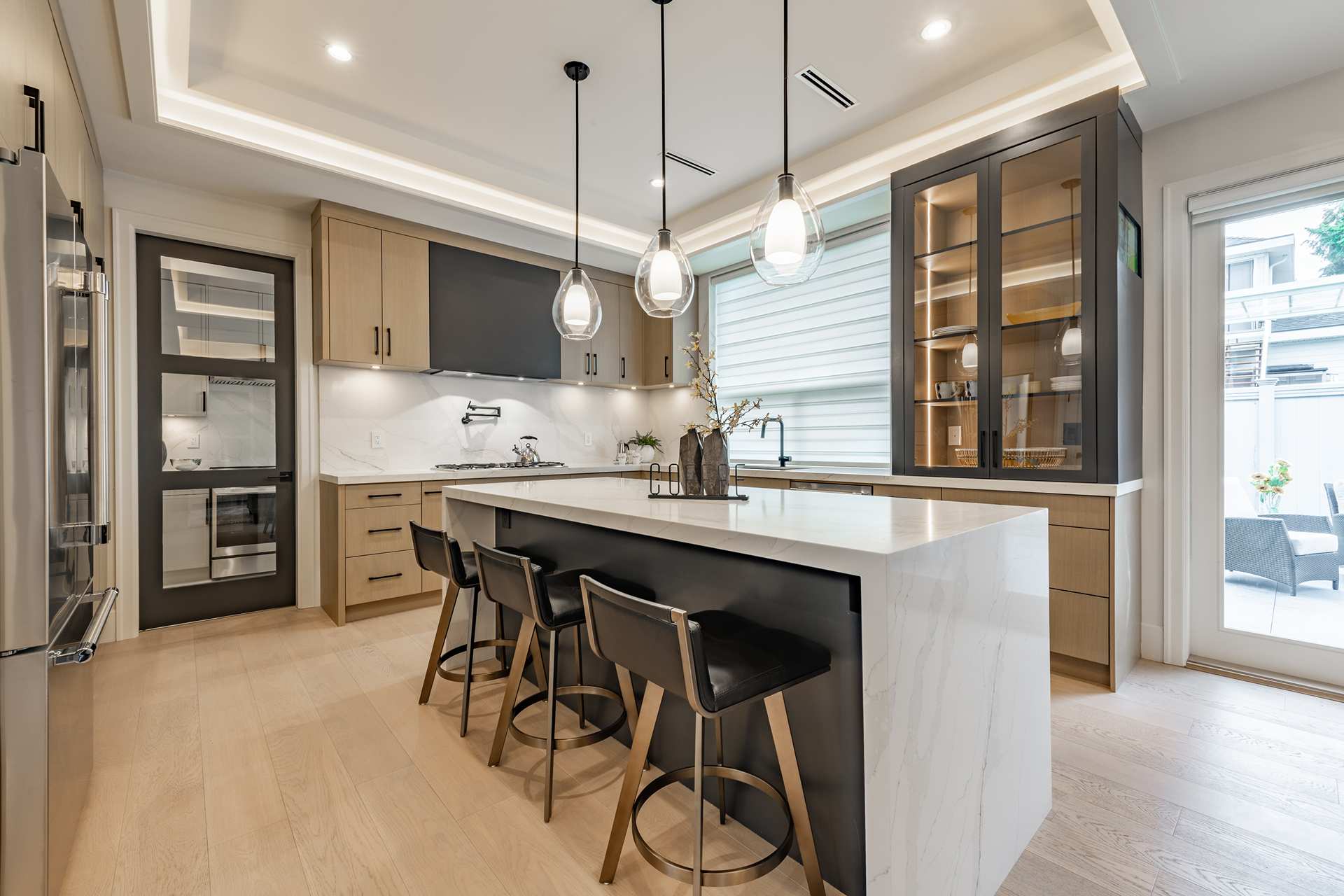
A move-in ready home does not have to be brand new. It does not have to look like a model home. But it does need to feel clean, functional, cared for, and low-stress.
For most buyers, move-in ready usually means:
The home is clean and well-presented.
The paint feels fresh or neutral.
Flooring is in good condition.
Major systems appear maintained.
The kitchen and bathrooms feel usable, even if not brand new.
There are no obvious repair red flags.
Landscaping and curb appeal feel maintained.
The buyer can imagine moving in without a long project list.
HomeLight describes move-in ready as a home that allows a buyer to move in without needing immediate repairs or updates, but notes that today’s buyers often associate it with peace of mind.
That peace of mind matters.
Many buyers are already stretching to afford the payment. They may not want to spend thousands more right after closing on paint, carpet, repairs, appliances, landscaping, or contractors.
Why Homes That Need Work Face More Pushback
A home that needs work is not automatically a bad home. In fact, some buyers love the opportunity to personalize a property.
But in 2026, fewer buyers are willing to take on work unless the price makes sense.
Why?
Because the buyer is doing mental math.
They are thinking:
How much will new flooring cost?
How much will interior paint cost?
What if the inspection finds more?
How long will repairs take?
Can I afford repairs after closing?
Will my lender or insurance company have concerns?
Could I just buy a newer home instead?
That last question is especially important in San Antonio, New Braunfels, and nearby growth corridors where new construction is a major competitor. Builders often offer incentives, warranties, modern layouts, and financing options that can make a new home feel easier for buyers to choose. Recent Texas new-home commentary highlights energy efficiency, warranties, modern floor plans, and builder financing incentives as major reasons some buyers compare new homes favorably against resale homes.
That does not mean resale homes cannot compete.
They absolutely can.
But condition has to be part of the strategy.
The “Needs Work” Discount Is Often Bigger Than Sellers Expect
One of the biggest mistakes sellers make is assuming buyers will estimate repairs the same way they do.
A seller may think:
“The carpet only costs $5,000 to replace.”
But the buyer may think:
“This home needs carpet, paint, cleaning, landscaping, repairs, and probably more after inspection.”
Then they mentally discount the home by $20,000, $30,000, or more.
Buyers also tend to exaggerate repair costs when they feel uncertain. If they do not know exactly what something will cost, they may assume the worst.
That is why deferred maintenance can hurt twice.
First, it affects the buyer’s first impression.
Second, it affects the buyer’s offer.
What Condition Issues Matter Most to Buyers?
Not every update matters equally. Sellers do not need to renovate the entire home before listing, and over-improving can be a mistake.
But some condition items have a major impact on buyer perception.
1. Paint
Interior paint is one of the fastest ways to change how a home feels. Scuffed walls, bold colors, patchy touch-ups, or dated tones can make a home feel tired even if it has good bones.
Fresh, neutral paint helps buyers focus on the space instead of the work.
2. Flooring
Worn carpet, damaged flooring, mismatched materials, or stained surfaces can be a big turnoff.
Flooring is emotional because buyers physically walk through it. If the floors feel dirty or dated, the entire home can feel less maintained.
3. Cleanliness
A deep clean is not optional in this market.
Baseboards, windows, cabinets, appliances, bathrooms, light fixtures, fans, and floors all matter. Buyers may not consciously notice every detail, but they feel the overall condition immediately.
4. Odors
Pet odors, smoke, mildew, mustiness, and strong air fresheners can stop a showing fast.
Odor creates doubt. Buyers start wondering what else has been hidden or neglected.
5. Curb Appeal
The exterior sets the tone before the buyer opens the front door.
In Garden Ridge and Hill Country communities, buyers often expect the land, trees, driveway, entrance, and outdoor living areas to feel cared for. Overgrown landscaping or neglected outdoor spaces can make the property feel like more work.
6. Major Systems
Roof, HVAC, water heater, electrical, plumbing, drainage, foundation, and septic concerns can quickly affect buyer confidence.
Even if a buyer likes the home, major system concerns can lead to repair requests, seller credits, lower offers, or contract cancellations.
Why This Matters in Garden Ridge and Hill Country Homes
Garden Ridge, Bulverde, Spring Branch, and other Hill Country areas often include homes with larger lots, pools, custom layouts, septic systems, wells, workshops, outdoor living areas, mature trees, and unique improvements.
Those features can add tremendous appeal.
But they can also create more questions for buyers.
A buyer looking at a Hill Country property may be thinking about:
Tree maintenance.
Drainage.
Septic condition.
Well equipment, if applicable.
Pool maintenance.
Roof age.
HVAC capacity.
Exterior wood rot.
Fence condition.
Driveway condition.
Insurance costs.
Wildlife, drainage, and slope.
That is why presentation and documentation matter. A well-maintained Hill Country property can stand out beautifully. But a property that feels neglected can make buyers nervous because they may assume the maintenance burden is bigger than it looks.
Should Sellers Make Repairs Before Listing?
Sometimes yes. Sometimes no.
The right answer depends on the home, price point, condition, competition, and likely buyer profile.
In many cases, sellers should consider fixing obvious issues before listing, especially if the repair is affordable and likely to reduce buyer hesitation.
Good pre-listing improvements may include:
Deep cleaning.
Fresh interior paint.
Carpet replacement or cleaning.
Minor wood rot repair.
Landscaping refresh.
Light fixture updates.
Pressure washing.
Window cleaning.
Replacing burned-out bulbs.
Servicing HVAC.
Fixing obvious leaks.
Repairing broken doors, handles, or fixtures.
Decluttering and staging.
But major renovations should be evaluated carefully. A full kitchen or bathroom remodel may not return dollar-for-dollar value, especially if the seller chooses finishes that do not match buyer expectations.
The goal is not always to make the home perfect.
The goal is to remove distractions and reduce buyer objections.
When It May Be Better to Sell As-Is
There are situations where selling as-is makes sense.
For example, a seller may not have the time, money, or desire to complete repairs. An inherited property, rental property, relocation sale, or estate situation may not justify a long preparation process.
In that case, pricing becomes even more important.
An as-is home can still sell, but it needs to be positioned honestly and competitively. Buyers will expect a discount for the work, and they may ask for additional concessions after inspections.
The key is not pretending the work does not exist.
The key is pricing the home with the condition already factored in.
What Buyers Should Know About Homes That Need Work
For buyers, homes that need work can create opportunity.
If a home has been sitting on the market, has had a price reduction, or needs cosmetic updates, there may be room to negotiate.
Buyers may be able to ask for:
A lower sales price.
Seller-paid closing costs.
A repair credit.
A rate buydown.
Specific repairs before closing.
A home warranty.
However, buyers should be careful. A home that “just needs cosmetic updates” may have hidden costs. Always review the seller’s disclosure, inspection reports, major systems, insurance considerations, and contractor estimates before assuming the home is a bargain.
The best deal is not always the cheapest home.
It is the home where the price, condition, repairs, and long-term value make sense together.
Move-In Ready Homes Still Have an Advantage
Even in a market with more inventory, move-in ready homes can still attract strong attention.
Why?
Because they reduce uncertainty.
A buyer who is already dealing with interest rates, closing costs, insurance, moving expenses, and daily life may be willing to pay more for a home that feels easier.
That is especially true for relocating buyers, military families, busy professionals, families with school timelines, and buyers moving from out of town.
In San Antonio and the Hill Country, a clean, well-priced, move-in ready home can still stand out quickly.
The Bottom Line
In the 2026 San Antonio and Hill Country market, condition matters because buyers have choices.
A move-in ready home can create confidence, urgency, and stronger offers.
A home that needs work can still sell, but it usually needs the right pricing strategy, honest positioning, and a clear understanding of how buyers will calculate the cost of repairs.
For sellers, the question is not just, “What is my home worth?”
It is:
“How does my home compare to what buyers can buy right now?”
And for buyers, the question is not just, “Can I get a discount?”
It is:
“Does the discount truly cover the work, risk, and time this home requires?”
How Correa Realty Group Can Help
Correa Realty Group helps buyers, sellers, and homeowners make smart real estate decisions across Garden Ridge, San Antonio, New Braunfels, and the surrounding Hill Country. Whether you are deciding which repairs to make before listing, how to price a home that needs work, or how to negotiate condition issues as a buyer, our team can help you understand the local market, evaluate the numbers, and move forward with confidence.
FAQs
Do move-in ready homes sell faster in San Antonio?
Often, yes. Move-in ready homes usually appeal to a larger buyer pool because they feel easier, cleaner, and less risky. However, pricing still matters.
Should I renovate before selling my home?
Not always. Smaller improvements like paint, cleaning, flooring, landscaping, and minor repairs may help more than major renovations. The best choice depends on your home, neighborhood, and competition.
Can I sell my home as-is in Texas?
Yes, sellers can sell as-is, but buyers may still inspect the property and negotiate repairs, credits, or price based on condition.
What repairs matter most before listing?
Common high-impact items include deep cleaning, paint, flooring, curb appeal, minor maintenance, HVAC servicing, roof concerns, plumbing leaks, and obvious safety or functionality issues.
Are buyers still purchasing homes that need work?
Yes, but they are usually more cautious. Many buyers expect a lower price or seller concessions if the home needs noticeable repairs or updates.
Check out this article next