



When you’re a homeowner or seller in San Antonio and the Texas Hill Country, every dollar spent on your home should work hard. The right improvement can increase your resale value significantly, while a mismatch can drain equity. In our San Antonio-area market – from Garden Ridge and Spring Branch to New Braunfels and Northeast San Antonio – buyers notice curb appeal first. A fresh front lawn, clean exterior, and updated entry set a positive tone. Conversely, a dated or neglected facade can make even a great interior feel uninviting.
This local emphasis on first impressions means smart, strategic updates matter more here than ever. Instead of gutting the house, we recommend targeted upgrades that pay off. Think of improvements that make your home look well cared-for and move-in ready, because buyers often decide within minutes if a home feels right. As one San Antonio expert notes, simple exterior projects “send a clear signal that the property has been maintained”. In short, in our community it’s about quality over quantity – doing some things well, not every possible thing.
What Home Projects Add the Most Value?
Boost Curb Appeal with Exterior Upgrades
First impressions are everything. In sunny San Antonio and nearby areas, the home’s exterior is a buyer’s first view. High-ROI curb-appeal projects typically include:
- Exterior Paint & Siding: A fresh coat of neutral paint on walls, trim, and doors makes even an older home feel new. Painted siding or brick that’s clean and up-to-date suggests care. This is a relatively low-cost fix with big impact.
- New Garage or Entry Door: Updating your front door or garage door (especially with a steel or modern insulated door) dramatically lifts curb appeal. In fact, a new garage door is often cited as one of the top home-improvement values nationwide. It’s highly visible from the street and can match architectural style (for example, a sleek Texas modern or a classic Southern colonial look).
- Landscaping & Yard Refresh: San Antonio’s warm climate favors a neat, low-water landscape. Simple upgrades – trimming bushes, adding native Texas plants (e.g. Texas sage, agave, yucca), mulching, and installing smart drip irrigation – can make a yard inviting. According to Texas landscaping guides, plants like Texas Sage “require very little water” once established. A tidy lawn or xeriscaped front yard shows care and helps the home stand out, especially important given our often hot summers. (Using native, drought-tolerant plants aligns with local water conservation and saves maintenance.)
- Outdoor Lighting and Hardware: Update porch lights, mailbox, and house numbers for a fresh look. These small details won’t break the bank but contribute to a polished first impression.
Overall, curb appeal work often recoups most of its cost because buyers fall in love at first sight. As one San Antonio realtor observed, exterior refreshes “dramatically improve how buyers perceive your home”. In short, if you want the biggest bang for your buck, start outside.
Cost-Effective Interior Refreshes
You don’t need a mega-budget to make your home more appealing inside. Minor interior updates can yield strong returns:
- Neutral Interior Paint: Repainting walls, ceilings, and trim in light, neutral tones instantly brightens a home. Fresh, even inexpensive paint makes spaces feel clean and modern. It’s one of the few renovations that often returns 100% or more of its cost at resale in our market.
- Flooring: Sanding and refinishing hardwood floors or installing neutral new flooring (laminate, tile, or engineered wood) replaces worn carpet and can really update the feel. Buyers in our area tend to favor hard floors for ease of maintenance. If hardwood exists, refinishing can be a great value-add. If not, upgrading to wood-look floors or tile in main areas adds appeal.
- Lighting & Fixtures: Swap outdated light fixtures, ceiling fans, or faucets for modern designs. Even changing cabinet knobs and door handles in the kitchen and bath can refresh the look cheaply. Good lighting (like bright, energy-efficient LEDs) makes interiors look bigger and more inviting.
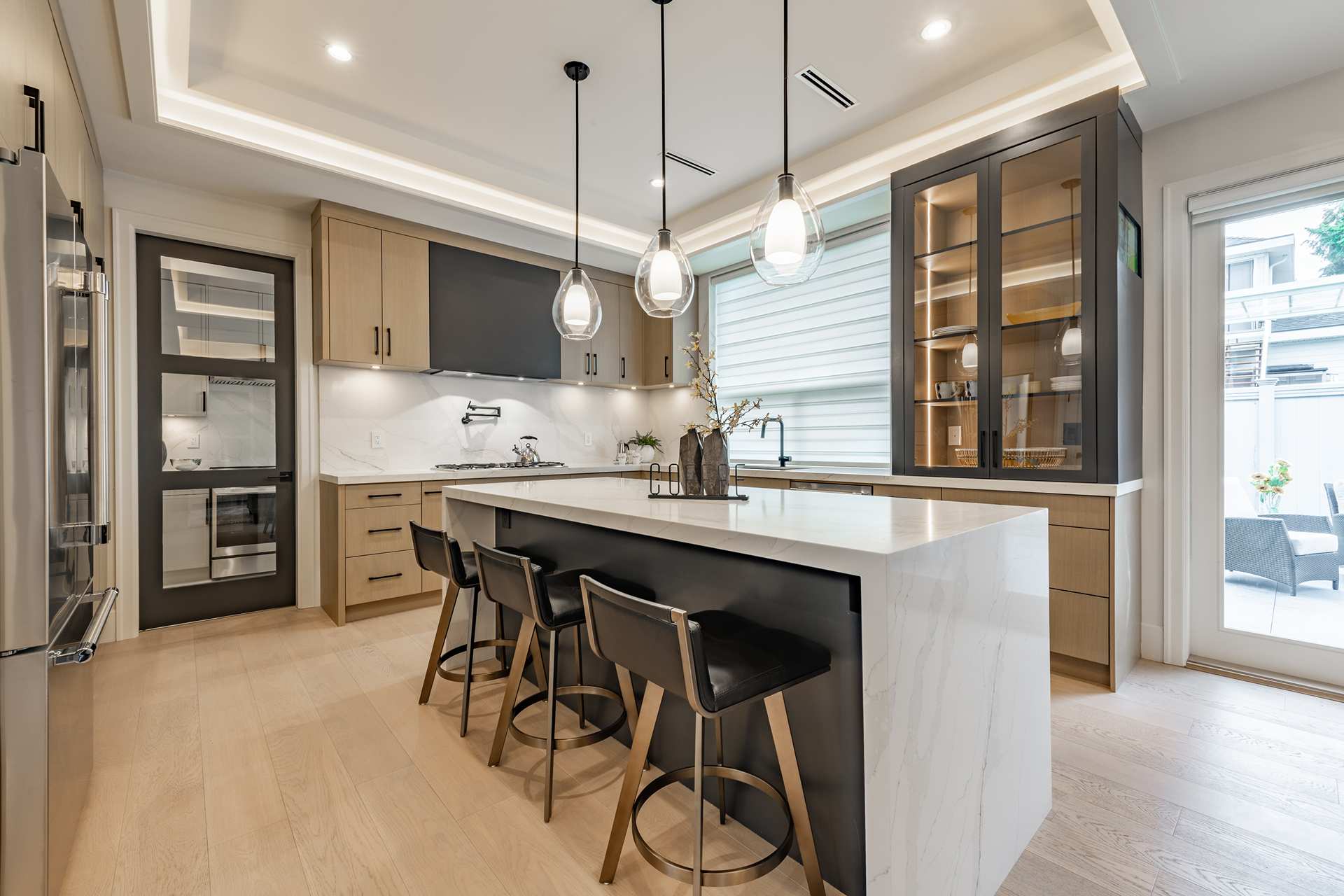
- Minor Kitchen/Bath Touch-Ups: A full gut remodel can be costly, but you can update these rooms in phases. For example, replacing worn countertops (granite or quartz if your budget allows), installing a stylish backsplash, or painting cabinets and adding new hardware gives a "new kitchen/bath" feel for less. Even investing in a new appliance or mid-range faucet can move the needle. These kinds of mid-level updates—without over-customizing—tend to “deliver solid value” for San Antonio buyers.
- Declutter and Stage: Finally, cleaning, decluttering, and staging your home (even simply rearranging furniture to maximize flow) makes a huge difference. These have essentially 100% ROI since it just costs effort or a modest fee.
The key on interiors is clean and neutral. Buyers should be able to visualize their own life in your space. Bright white walls, functioning drawers/cabinets, and uncluttered rooms go a long way.
Kitchen and Bath: Do Modest Remodels Pay Off?
Kitchens and bathrooms do draw big interest, but the devil is in the details and the budget. In our local market:
- Mid-Range Remodels: A complete high-end kitchen remodel often costs more than you recoup, especially if it exceeds neighborhood standards. However, moderate updates usually do pay off. For example, replacing old tile, updating a backsplash, installing energy-efficient appliances, or adding modern yet durable countertops can make a dated kitchen look contemporary. In bathrooms, swapping old faucets, regrouting tile, or refreshing vanities (with new countertops and fixtures) can brighten the space. These improvements tend to add significant appeal without overspending.
- Match Buyer Expectations: If your house is the nicest in the neighborhood, a fancy kitchen might attract a top-tier offer. But if you live in an area with mostly modest homes (like many pockets of San Antonio and suburbs), overspending on a luxury remodel can backfire. The goal is to bring the kitchen/bath up to buyers’ expectations, not necessarily to create a chef’s kitchen unless your price range justifies it.
- Consider Utility vs Luxury: Sometimes, the best kitchen/bath improvement is simply replacing broken or worn items (appliances, faucets, toilets, tubs) that may scare off buyers during inspections. Think of those fixes more as maintenance than “improvements,” but they certainly help avoid value loss.
In summary, kitchens and baths matter, but strategic, mid-budget updates generally yield the best return in San Antonio’s resale market. Always consult your REALTOR® (like Correa Realty Group) to gauge what local buyers expect in your price range.
Energy Efficiency and Smart Upgrades
Increasingly, San Antonio buyers care about homes that are comfortable and less expensive to run. Smart or green upgrades can boost value indirectly by reducing utility bills and modernizing the home:
- HVAC and Insulation: Texas summers are brutal, so an efficient air conditioning system is a plus. Replacing an old A/C or adding ceiling fans can improve comfort. Adding or upgrading insulation in the attic also helps keep homes cooler. These projects may not have 100% ROI, but they eliminate a major buyer worry (nobody wants to buy a furnace-forced convection oven!). In our market, a home with modern HVAC is more attractive even if the cost isn’t fully recouped, because it protects the value by avoiding buyer requests for concessions.
- Windows and Doors: Energy-efficient windows (e.g. double-pane with Low-E coating) and well-sealed exterior doors keep heat out. Swapping very old windows for new ones can help selling points, though the payback can vary. Crucially, new doors (as mentioned) do double duty: curb appeal plus efficiency. In some San Antonio neighborhoods (like central or higher-end areas), newer windows signal quality construction.
- Smart Home Features: Features like a programmable thermostat (Nest, etc.), smart locks, or integrated security systems appeal to tech-minded buyers. These upgrades often cost little but show that the home is up-to-date. They’re not must-haves in terms of dollar value, but in our region’s hot climate, a good thermostat that saves money and an alarm system for remote peace of mind can sway tech-savvy buyers.
While energy upgrades are more about saving money than boosting appraised value, in competitive markets buyers do notice them. We recommend choosing improvements that serve double duty: like a new garage door or insulated front door that both look nice and improve efficiency.
Outdoor Living & Lot Improvements
Outdoor spaces are a Texas priority. Nearly year-round good weather makes patios, decks, and yards extensions of the living area. Home improvements here include:
- Decks and Patios: Adding or updating a wood deck, concrete patio, or stone paver area gives buyers extra usable space. In Garden Ridge or Bulverde, where lots are larger, an outdoor patio/kitchen can be appealing. Just keep in mind that any significant structure (especially decks, permanent covers, or heavy patios) often requires a building permit in San Antonio and other local jurisdictions. A permitted and well-built deck can recoup a lot of its value, while a non-permitted one could complicate a sale.
- Pergolas and Covers: Even partial shade structures or pergolas (wood or metal) can make a patio more functional under the Texas sun. If built to code, they hint at “designed outdoor living” without the cost of a full addition.
- Low-Maintenance Lawn/Yard: For many buyers, a yard that looks good without heavy upkeep is ideal. That often means native grasses (like zoysia) and plants instead of fussy ornamentals. Some families want a safe lawn for kids or pets; others in Hill Country areas (Spring Branch, Boerne) may prefer gravel/drip gardens with pines or oaks. Tailor landscaping to the setting.
- Pool Consideration: Pools rarely add value unless your neighborhood expects one. In hot climates pools can be nice, but remember long-term costs (maintenance, safety fences) often exceed perceived benefits. We don’t usually recommend a pool as a value-add for the average San Antonio seller.
Key risk: Avoid over-customizing the backyard. An elaborate vineyard or putting green might amuse you, but if it doesn’t appeal to mainstream buyers, it won’t pay off. Instead, aim for usable, versatile space – a simple patio with seating area and low-water planters will appeal to most.
Local Regulations and Considerations
Before you break ground, keep these San Antonio-area specifics in mind:
- Permits and Approvals: In the City of San Antonio (including Universal City, Converse, Live Oak, etc.), most structural or large projects require permits. The city’s Development Services notes that “a building permit is typically required if you decide to build, remodel, repair or demolish a structure”. For example, adding a deck with electrical or plumbing will need building, electrical, and plumbing permits. In unincorporated Comal County (covering Garden Ridge, Bulverde, Spring Branch) and Guadalupe/Kendall Counties (Schertz, Cibolo, Seguin, Boerne), you’ll follow county permit rules. Comal County’s engineer warns that in unincorporated areas, owners must also heed any HOA covenants or state/federal requirements.
- Tip: Always check with local building departments before starting major work. San Antonio’s One-Stop Office can usually issue permits for minor fixes on the spot; bigger plans take a few days of review.
- Homeowners Associations (HOAs): Many neighborhoods in our region (e.g. in Spring Branch, Garden Ridge, Schertz) have HOAs with design rules. Before improving your exterior (like paint color, fence style, or roof), review HOA guidelines. Even if HOA approval isn’t a cost, failing to follow it can delay selling. Mentioning HOA checks shows we’re thorough and helps build trust.
- Local Market Fit: Not all improvements suit all neighborhoods. For instance, a high-end remodel might be expected in Alamo Heights but not in Selma or Converse. We encourage homeowners to “know their market”: an update that impresses in one part of town may seem out of place in another. Over-customizing for your own taste can hurt resale if others don’t share that taste. Our advice: look at comparable homes in your area or ask your Correa Realty agent what recent buyers there are willing to pay extra for.
- Climate Considerations: Remember San Antonio’s heat and occasional freezes. Use hardy materials. For example, choose paint and wood finishes rated for Texas sun, and plant shrubs that survive heat, cold snaps, and drought. Native and adapted plants (like the Texas Sage pictured on San Antonio Water System’s Smartscape guide) are “extremely drought tolerant” and thrive here. This not only saves water but also means less yard upkeep for the next owner.
How to Prioritize and Plan
Every home and budget is different, but a good strategy follows a few principles:
- First Impressions Come First: Focus on what buyers see within the first minute – front exterior and main living areas. A tidy yard and front porch, plus a great entry hallway or living room (clean, well-lit, neutral), set the stage.
- Chase Smart ROI, Not Trends: Aim for updates with high return on investment (ROI). Curb-appeal projects often have ROI well over 100%, meaning they can add more value than they cost. Interior repainting, floor touch-ups, and basic landscaping are in this category. Expensive upgrades (custom decks, luxury master baths) are less certain unless your area supports that level.
- Know Your Buyer: In our area, outdoor living and energy savings are big selling points. If you have a family-friendly neighborhood, buyers might love a safe yard or play area; if it’s a retirement community, they’ll value low-maintenance features. Talk to local agents (like us!) about what’s hot now.
- Set a Realistic Budget: Determine how much of your equity you’re willing to invest. For smaller budgets, stick to paint, fixtures, and landscaping. For larger budgets, plan phased projects (maybe tackle the kitchen this year, bath next year) and always get multiple contractor quotes.
- Avoid Over-Improving: One local tip: don’t make your home the priciest on the block by doubling the house size or adding ultra-luxury features. Buyers won’t pay significantly above neighborhood comps. As a San Antonio realty expert advises, “skip unique renovations that don’t translate to higher offers”.
Boosting your home’s value in San Antonio and the Hill Country doesn’t require a full gut-renovation. Strategic, locally-appropriate improvements can pay you back (in higher offers and quicker sales). In general:
- Invest first in curb appeal (fresh paint, clean landscaping, entry features). This typically pays off best.
- Update interior finishes (neutral paint, floors, lights) to make the home feel fresh.
- Modernize kitchens/baths cautiously — mid-level updates or repairs usually recoup well.
- Consider energy efficiency for long-term appeal, but treat big systems (HVAC, windows) as smart maintenance rather than value boosters.
- Leverage our climate: create usable outdoor spaces (decks, patios) without breaking permit rules.
Finally, remember every home is unique. What works for a modern Leander home might not suit a historic Alamo Heights bungalow. Tailor projects to your home’s style and location, and consult local experts (builders, stagers, Correa Realty agents) to ensure your investment matches buyer expectations.
How Correa Realty Group Can Help
At Correa Realty Group, we serve the San Antonio, New Braunfels, and Hill Country area. We can help you determine which upgrades make sense for your specific home and neighborhood. Our local market expertise means we know what buyers in Garden Ridge, Cibolo, Boerne, and other Hill Country towns are looking for. Whether you need advice on choosing a neutral paint color that appeals regionally, selecting drought-friendly landscaping for Comal County’s water restrictions, or navigating San Antonio and county permit requirements, we’re here to guide you.
Planning major renovations? We can connect you with trusted local contractors and contractors who are familiar with city and county regulations. Selling soon? Our team will advise you on cost-effective improvements that highlight your home’s strengths without overspending. And if you’re buying, we’ll flag which features of a house will help (or hurt) its future value so you make an informed decision.
Frequently Asked Questions (FAQs)
What home improvements add the most value in San Antonio?
Curb-appeal projects often top the list locally. Buyers in San Antonio and nearby communities pay close attention to first impressions. Refreshing the exterior – e.g. a fresh coat of paint, a new garage or front door, and neatly landscaped front yard with drought-resistant plants – typically recoups most or all of the cost. Inside, minor updates like neutral repainting, floor refinishing, and modern fixtures also yield strong value. Moderate kitchen or bath upgrades (new countertops, updated faucets) help too, especially if you match neighborhood expectations.
How much value does a kitchen remodel add to my home?
Major kitchen remodels often recover around half to two-thirds of their cost nationally (exact ROI varies). In San Antonio, a moderate kitchen update tends to do well, especially if your home’s price range calls for an updated kitchen. Instead of a top-to-bottom luxury overhaul, focus on improvements that matter to buyers: replace outdated countertops, add backsplash, install energy-efficient appliances, or repaint cabinets. These can refresh the space at a fraction of the cost. If your kitchen works but looks tired, simple changes can “make it feel new”. Always tailor your kitchen upgrades to what local buyers expect in your neighborhood; an expert agent (like us) can advise on that.
Is landscaping worth the cost for increasing home value?
Yes, tidy, climate-appropriate landscaping is often worth it in our area. San Antonio’s climate means buyers appreciate yards that look good without thirsty grass. Planting native or drought-tolerant plants (Texas sage, etc.) adds beauty and shows your home is well-maintained. Basic landscaping projects (mulch, rock beds, new plants, trimming trees) often have near 100% ROI. They improve curb appeal, which is especially important here. Remember: low-maintenance yards appeal more than elaborate gardens that need constant care. Adding a simple stone walkway, fresh mulch, and colorful yet hardy shrubs can create a welcoming entrance that boosts value. (Be sure to check city or HOA guidelines before major changes.)
Do energy-efficient upgrades increase home value in Texas?
Energy efficiency upgrades tend to be valued by buyers, though the dollar-for-dollar ROI can be modest. In Texas heat, a new high-efficiency A/C or better insulation improves comfort and lowers bills – those are big selling points. Upgrading to double-pane insulated windows or adding solar screens helps too, as they make a home feel cool and modern. While these might not recoup every dollar spent, they make your home competitive, especially with rising energy costs. Also, features like a programmable thermostat or LED lighting cost little but show buyers the home is up-to-date. In summary, energy upgrades mostly increase marketability of a home rather than appraised value, but they address practical concerns buyers have in our region.
When do I need a permit for home improvements in San Antonio or surrounding areas?
In city limits (San Antonio, Universal City, Converse, etc.), most significant work requires a permit. For example, adding a deck, redoing your roof, any electrical or plumbing work, or building an addition usually needs permits and inspections. The City’s Development Services has a “No Permit Required” list for small repairs, but in general: if you’re building something new or changing structure, get a permit. In Comal County (Garden Ridge, Bulverde, Spring Branch), check with the County Engineer’s office – they specify permits for septic, floodplain, and right-of-way work. Also remember local rules: a Schertz or Cibolo project might need a city permit or HOA OK. Before you start, contact your local building department or HOA to be sure. Working without required permits can lead to fines or even having to undo the work.
How do I know if a home improvement is right for my neighborhood?
The best guide is local comps and buyer expectations. Look at homes currently on the market near you: what features do they have? If most neighbors have modern kitchens and open layouts, buyers in that area might expect a fresh kitchen too. If you live in an area of historic or older homes (some parts of San Antonio or Boerne), overly modern updates can clash. Our Correa Realty agents can analyze nearby sales and help you choose improvements that align with your specific community and price range. We want to avoid “over-improving” – i.e. spending on upscale finishes that buyers in your area won’t pay extra for.
Should I consult a real estate agent before investing in home improvements?
Absolutely. A knowledgeable local agent (that’s us!) provides up-to-date market insight. We know what San Antonio buyers want now, and what features they consider must-haves. By consulting us first, you can target the right projects and avoid wasting money. For instance, we can tell you which rooms or features sell homes fastest in your area, or whether a full renovation is needed at all. Sometimes a major remodel isn’t required – often just cleaning, decluttering, or small fixes (with high ROI) will do the trick. We can even connect you with trusted local contractors and guide you through permit and HOA processes. In short, our job is to ensure your improvements truly add value when it matters most: at sale time.
Check out this article next